Security is a journey, not a destination
I embed security into how the business builds and moves, not as a gate at the end, but as part of the process from day one.
I've worked at the intersection of security operations, engineering, and leadership. I still believe the hardest part is usually the people and decisions around the technology.
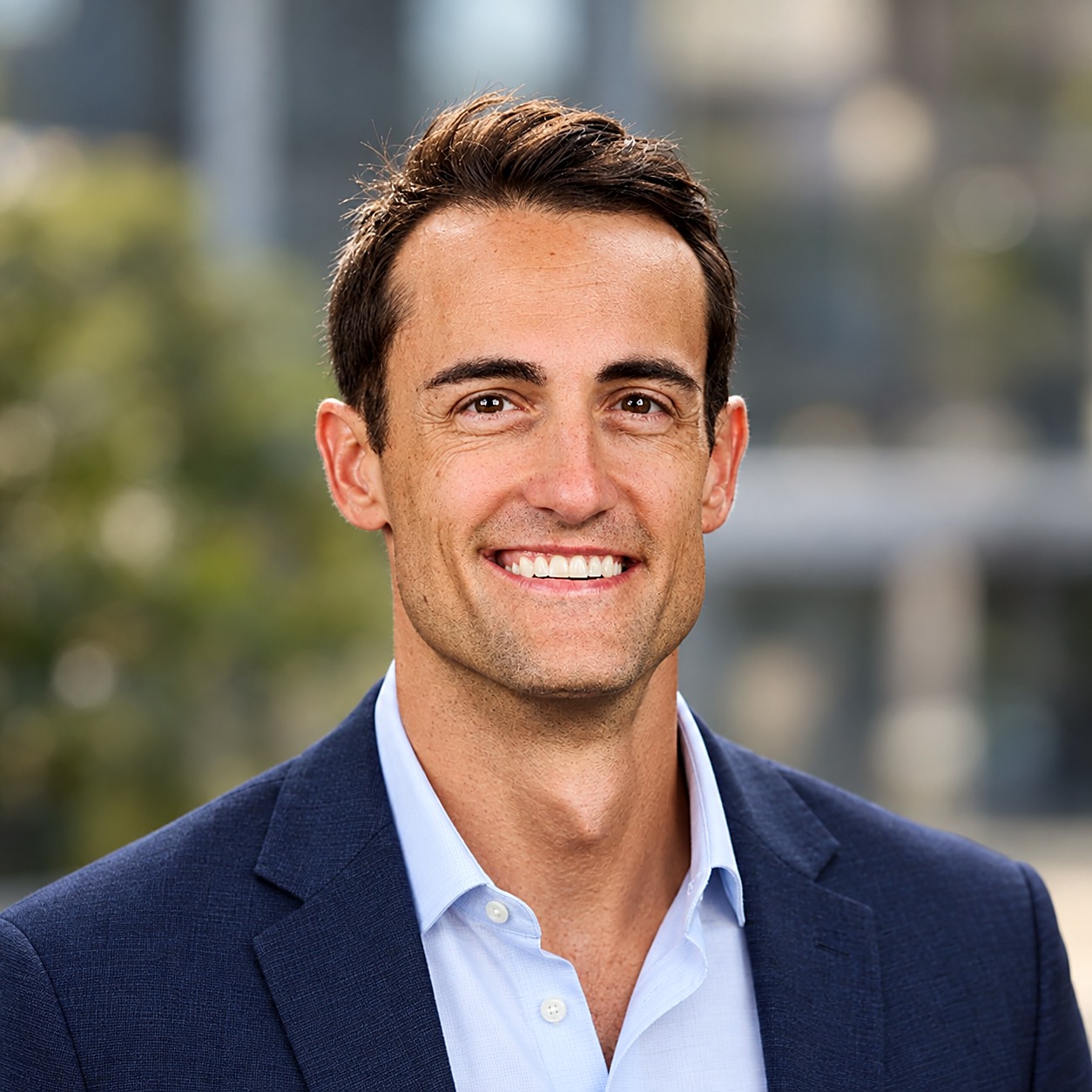
I was an IT admin when an audit requirement landed on my desk. It pushed me into a field I hadn't expected to love: helping people make sense of difficult problems, often while there's real pressure to get them right.
Since then I've spent more than fifteen years building security programs and leading teams across incident response, cloud security, engineering, and operations. I've held director, deputy CISO, and interim CISO responsibilities. I've also worked with early-stage organizations that need an honest plan before they need an elaborate program.
I'm interested in the practical parts of the work: the architecture that holds up, the response team that knows what to do, the controls people actually follow, and the leaders who grow into making good decisions without me.
Security for Society brings together two things I enjoy: field notes about what I've learned, and working with teams that need a little more security leadership than they currently have.
These are the seven ideas I keep coming back to, regardless of the organization or org chart.
I embed security into how the business builds and moves, not as a gate at the end, but as part of the process from day one.
I build distributed leaders, not dependent teams: giving people ownership, autonomy, and the room to figure things out.
Before accountability, before performance, before anything else, I invest in real relationships, because without trust none of the rest holds.
Frameworks tell you where to start. Threat reduction is the actual goal, and I never confuse the two.
I build programs that drive decisions, not programs that generate reports. Every tool, feed, and process has to close a loop.
Security exists to enable the business. My job is to find the path to yes, and make sure that yes is secure.
I invest in the growth of everyone around me, inside my team and beyond it, because developing people is the work, not a distraction from it.
Credentials are a useful signal of the effort behind the work. They're not a substitute for experience.
Credential links open the issuing or verification profile. Current status should be confirmed with the issuing organization.
Whether you're building a security program, trying to solve a difficult problem, or just want to talk through an idea, tell me what you're thinking.
Get in touch ↗